Skip to:
- Keratin Areas - Natural Colors - Color Modifiers - Gradients - Striping - Dimorphics -
What Is Keratin?
The following always count as keratin
Essentially, all import PSDs have a layer named 'Extras' which contains the eyes, nostrils and keratin areas. Anything other than the eyes and nostrils on this layer follows the keratin rules found in this guide. But here is a more specific list:
- Nails, claws and hooves
-- Applies to all except Atopodentatus and Aristonectes - Horns, spikes and osteoderms
-- Applies to Carnotaurus, Dacentrurus, Pachycephalosaurus, Shunosaurus, Styracosaurus
-- Does not apply to spikes from the Spiked variant outside the 'Extras' layer; these follow normal marking rules - Beaks
-- Applies to all herbivores except Atopodentatus and Shunosaurus
-- Fliers do not have keratin beaks - Quills
-- Applies to any dinosaur with the Quilled variant - Atopodentatus 'teeth'
-- These are like baleen whale bristles
Some dinosaurs have optional keratin
Some import PSDs will have an additional layer named 'Optional Keratin'. Anything on this layer can either follow keratin rules or you can hide the layer and follow normal marking rules as if it was skin; but it can not be a mix of the two. You get to choose if this area is keratin or not!
- Crests
-- Applies to Parasaurolophus, Tapejara, and Oviraptor
-- Does not apply to Acrocanthosaurus, Albertosaurus, Cryolophosaurus, these follow normal marking rules - Plates
-- Applies to Dacentrurus - Thorny and Exoskeleton mutations
-- These allow you to add spikes and plates, respectively, as optional keratin
-- Thorny can also affect any existing keratin areas
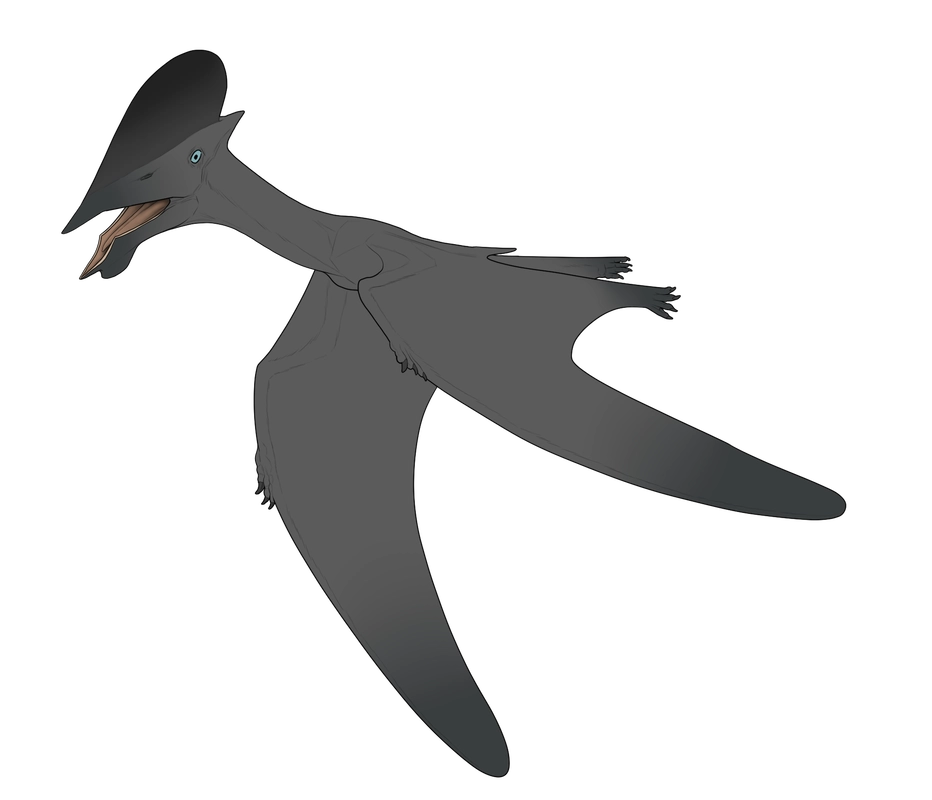
Here the optional keratin area (crest) is being colored as keratin.
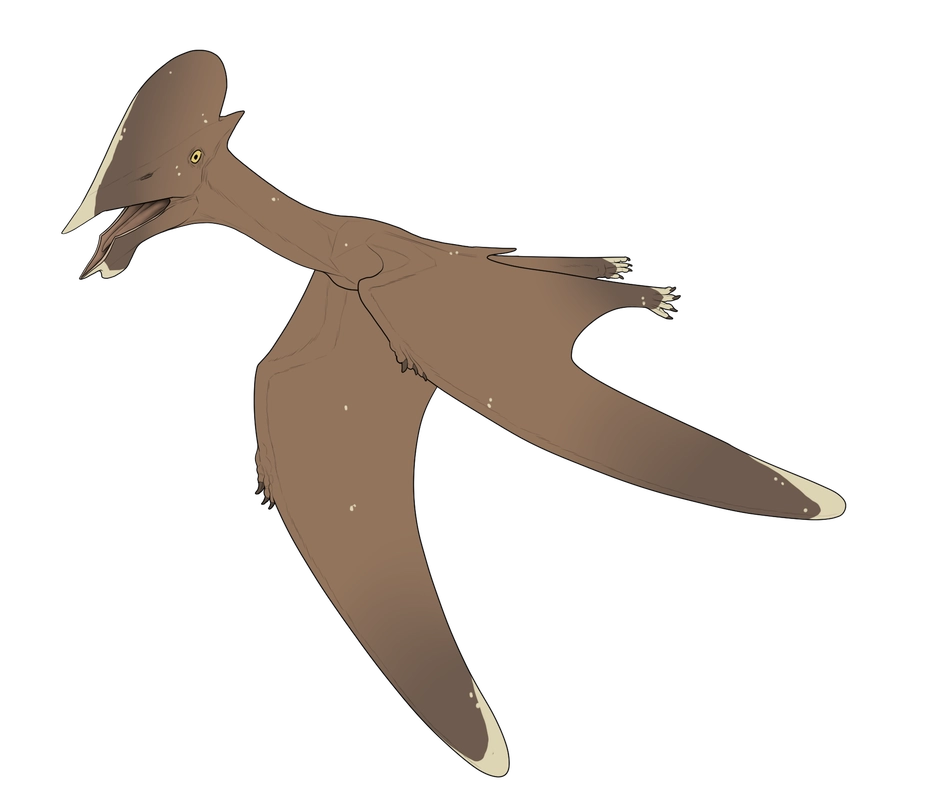
Here the optional keratin (crest) is being colored as skin.
Keratin rules will often refer to 'the grain'
This is the direction in which keratin grows! For example, claws and horns have a base to the structure where they meet the body, and the keratin will continue to grow outwards, just like modern animals. The grain follows this growth pattern and natural curves of the keratin structure, starting at the base and ending at the tips or furthest edges.Keratin Colors
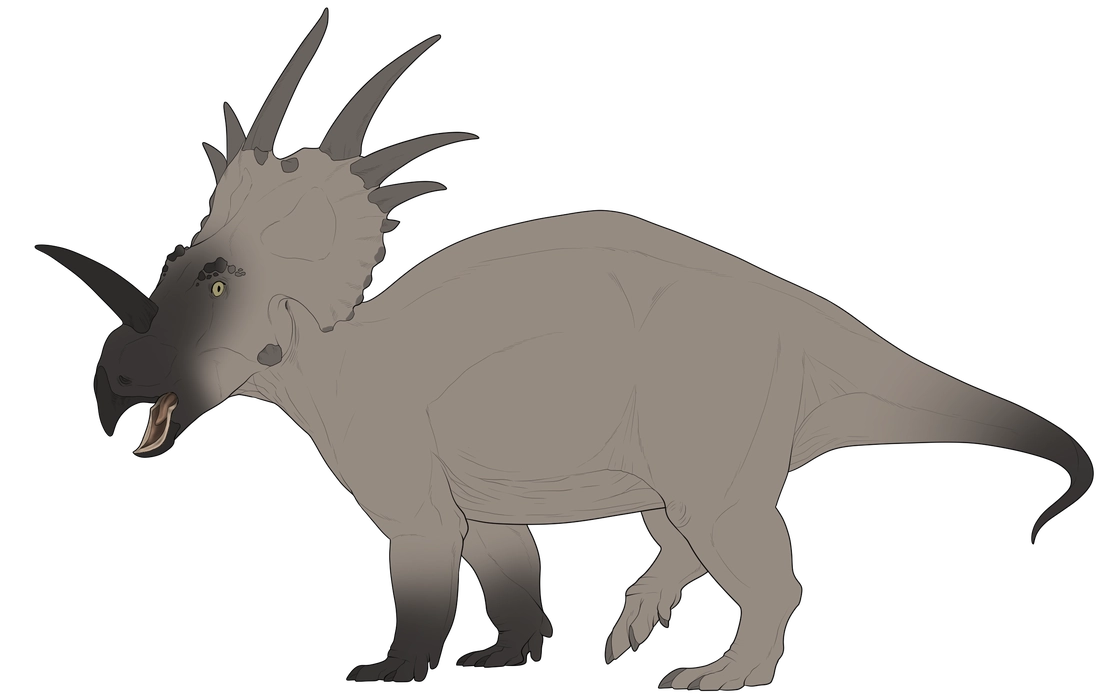
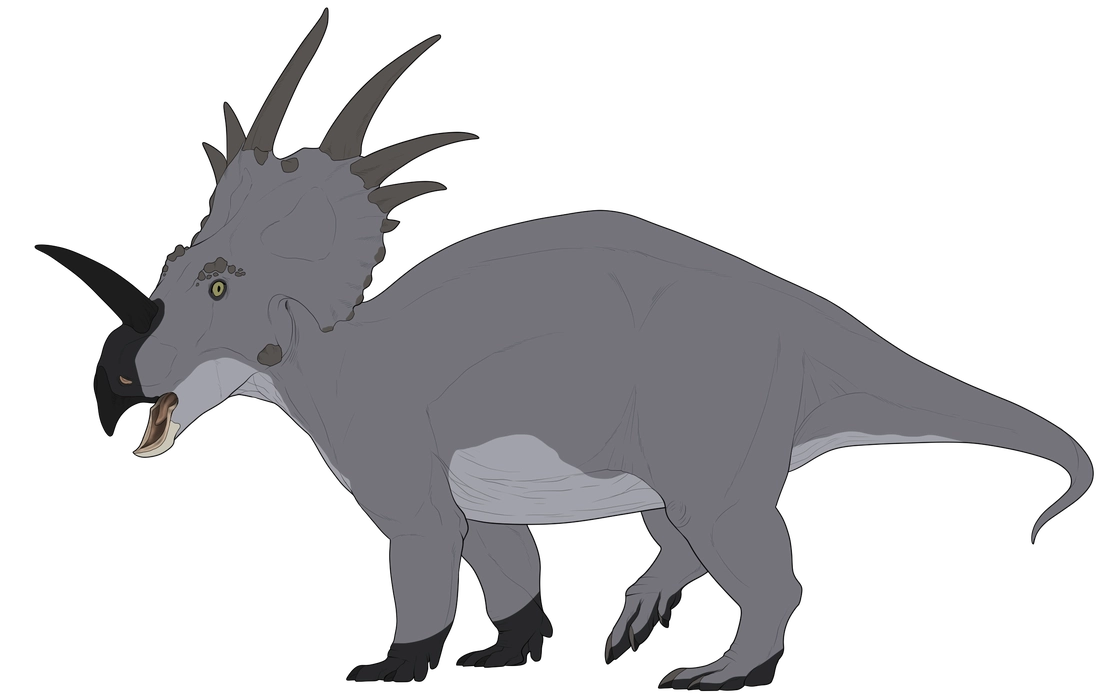
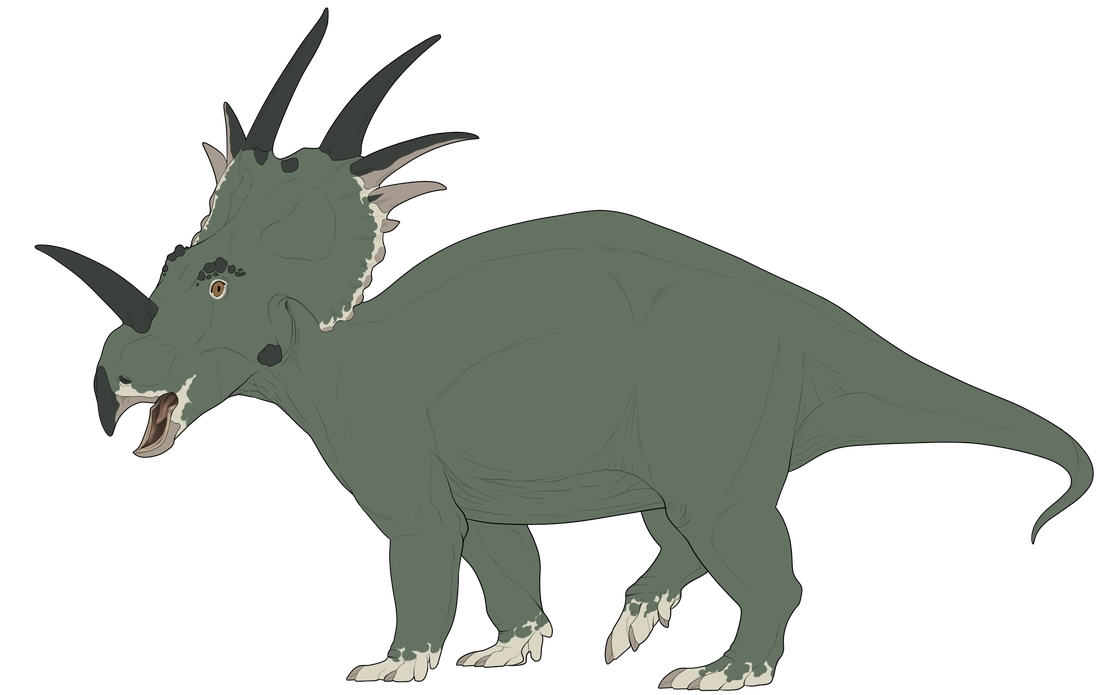
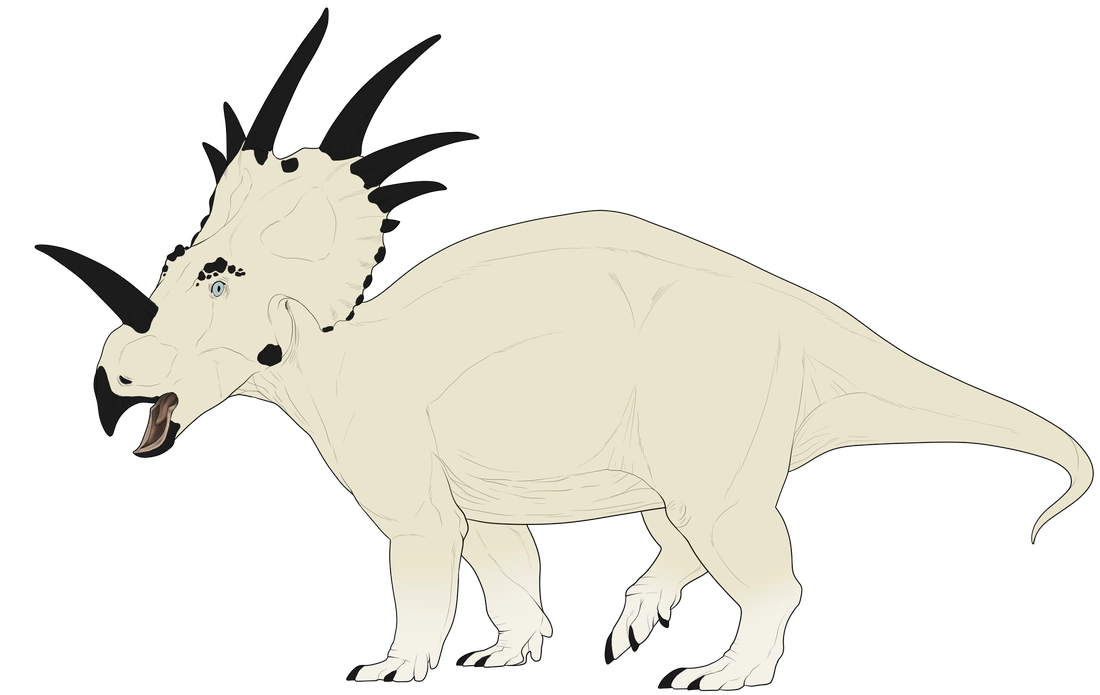
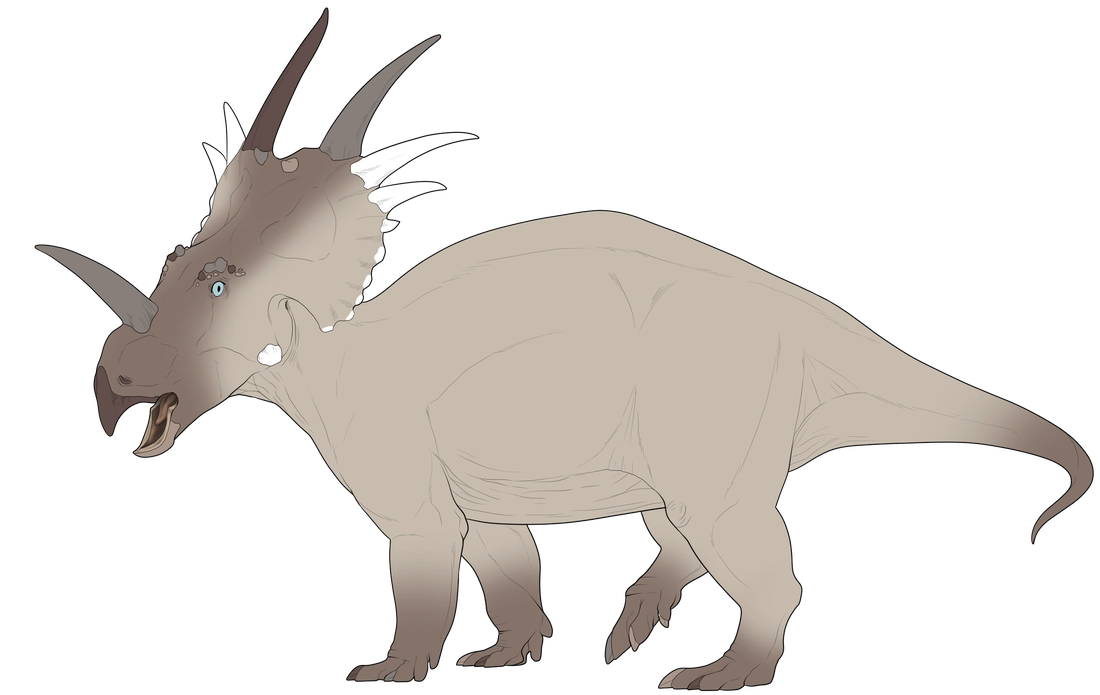
Keratin can be any color! There is no specific color palette, however there are a few guidelines for picking keratin color.
If a single marking has two differently colored parts or is two-toned, the keratin can reflect this and express a gradient that mirrors the marking's colors.
- Must follow the same color rules as markings in regards to saturation and darkness!
-- See the natural color section of the Marking Guide - Keratin colors are not limited by base color, or marking interactions. You may color it freely
-- Exceptions are markings such as Eroded that override Keratin color! - Can not be darker than the darkest part of the Curse swatch.
- For dinosaurs with color modifiers, these rules still apply.
-- See the color modifier section
Correct examples
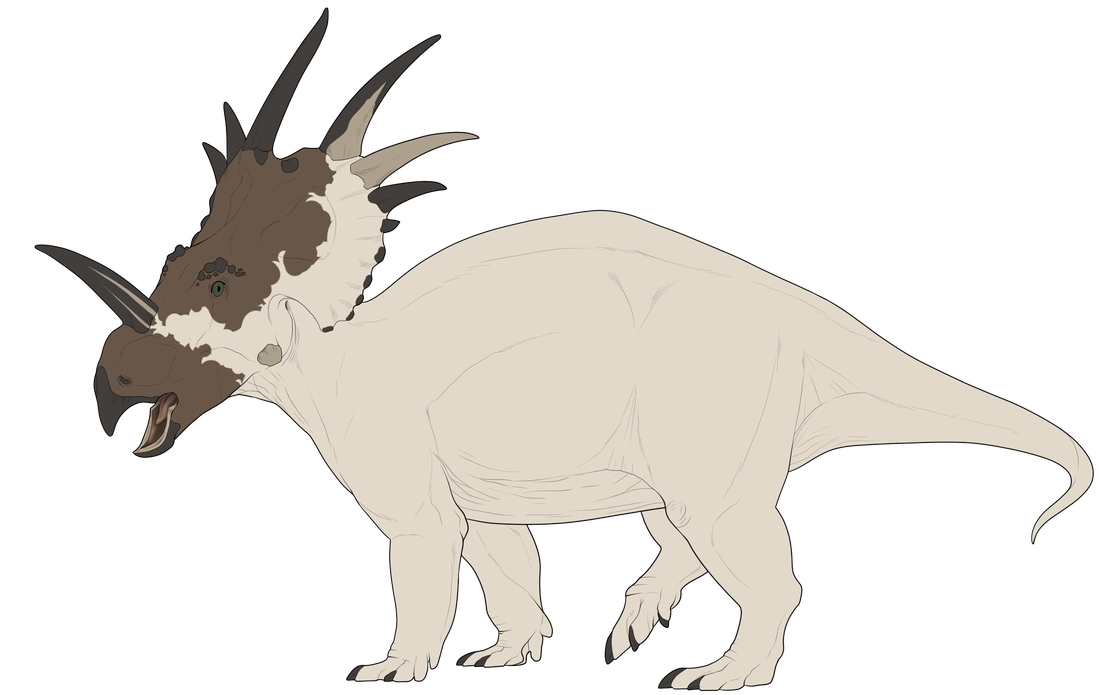
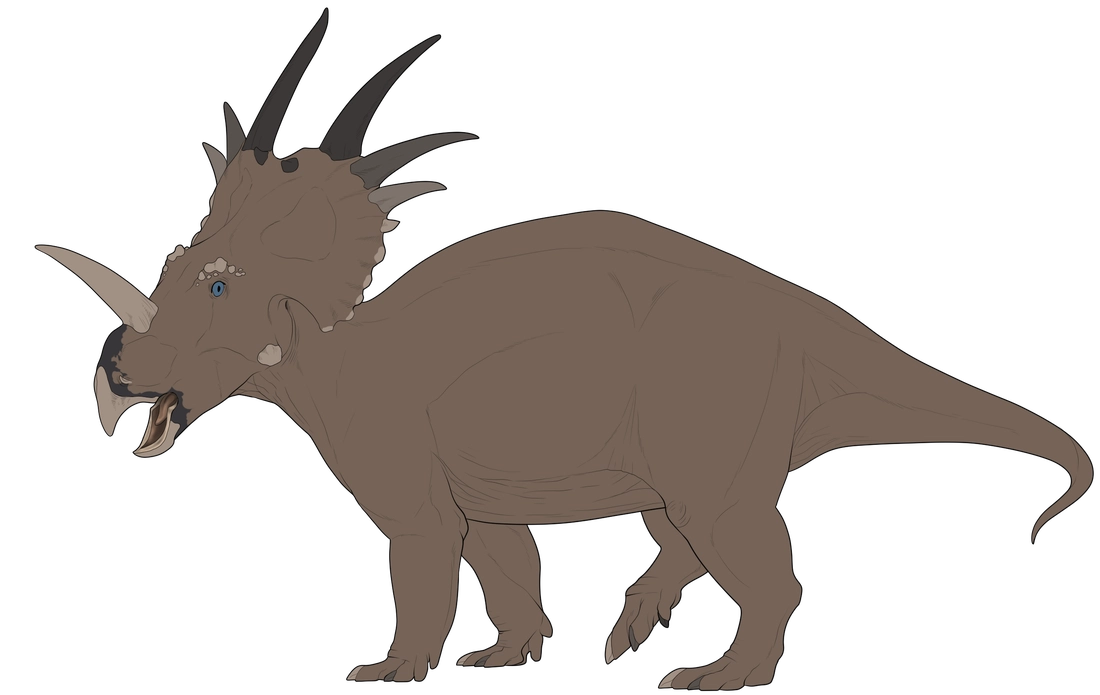
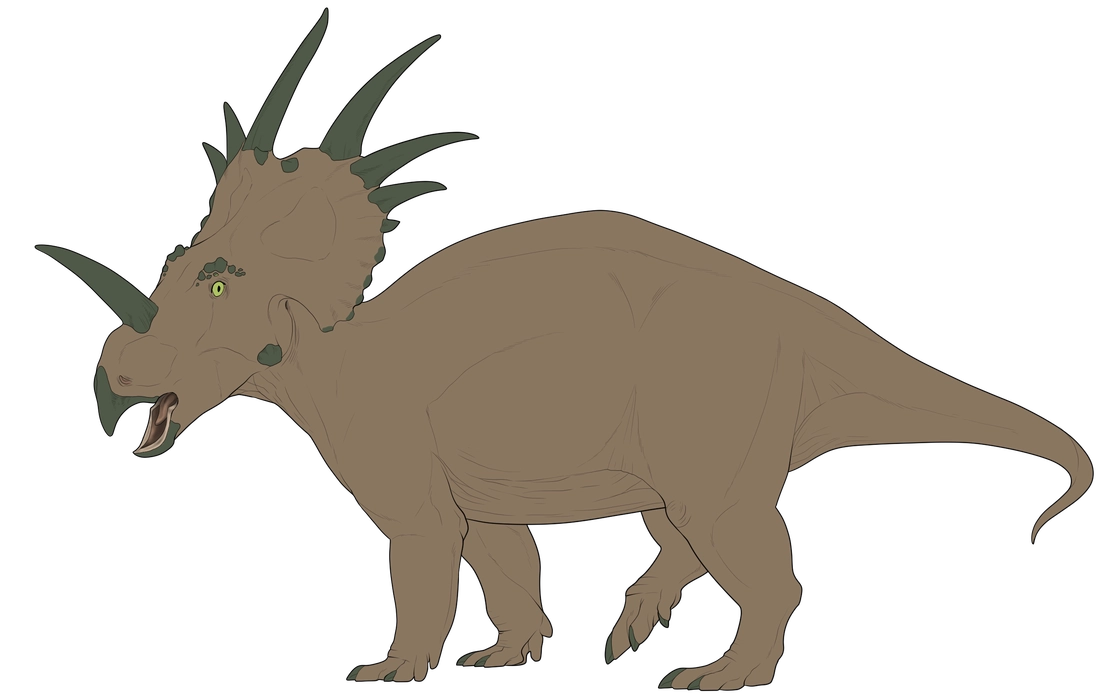
Color Modifiers
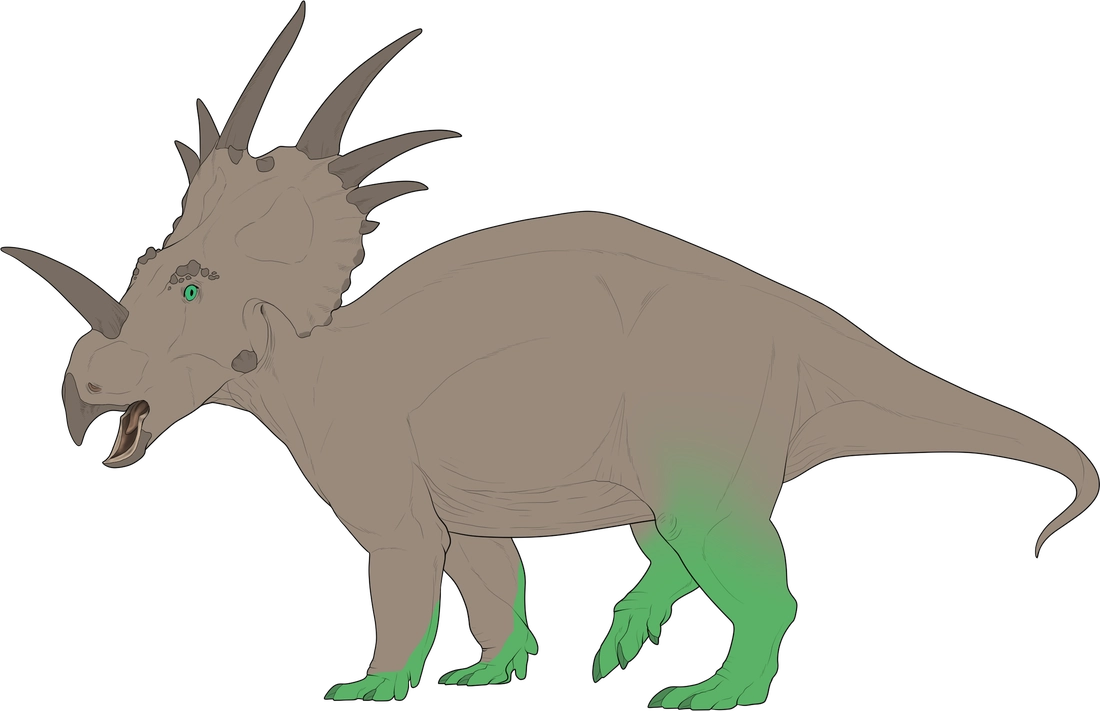
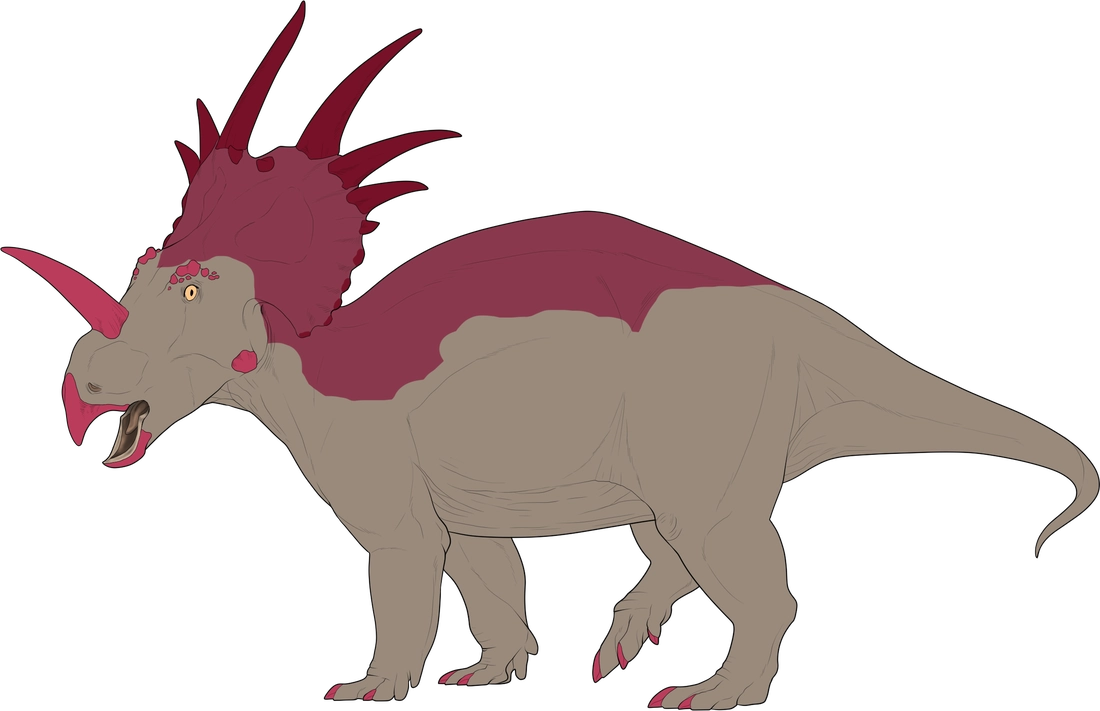
Dinosaurs with color modifiers can have their keratin affected by it as well! Keratin does not need to touch a color mod affected base or marking to be a color modded color!
Correct examples
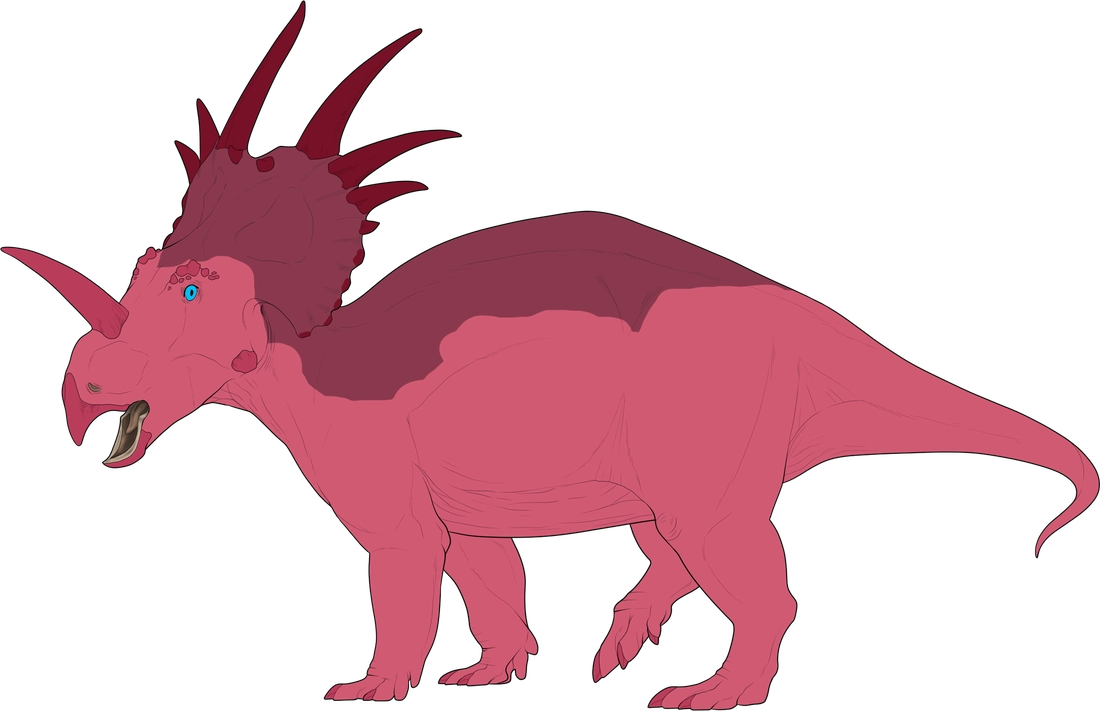
Gradients
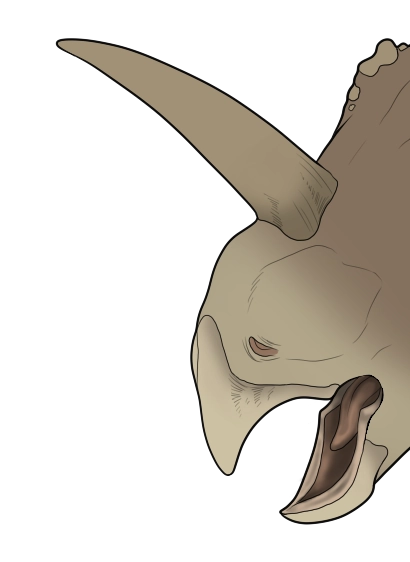
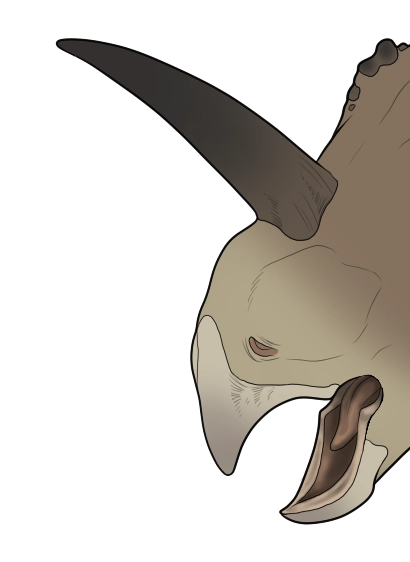
Keratin may feature an additional gradient if you so desire! Keratin does not need to be affected by a marking to display a gradient. The gradient should be a single color following the grain of the keratin. The gradient does not need to be present on all of the keratin if you choose to add one.
If a single marking has two differently colored parts or is two-toned, the keratin can reflect this and express a gradient that mirrors the marking's colors.Correct examples
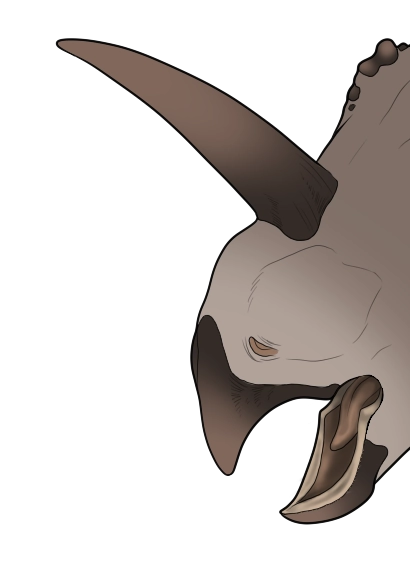
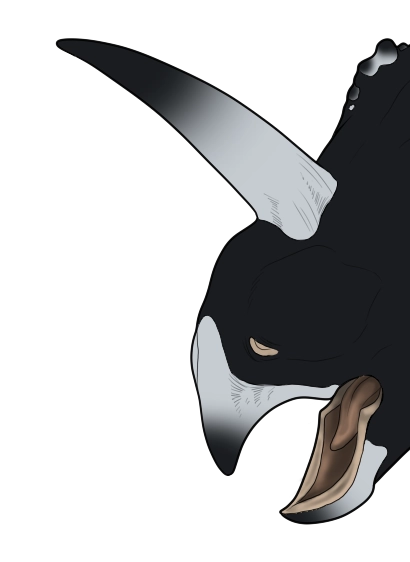
Incorrect examples
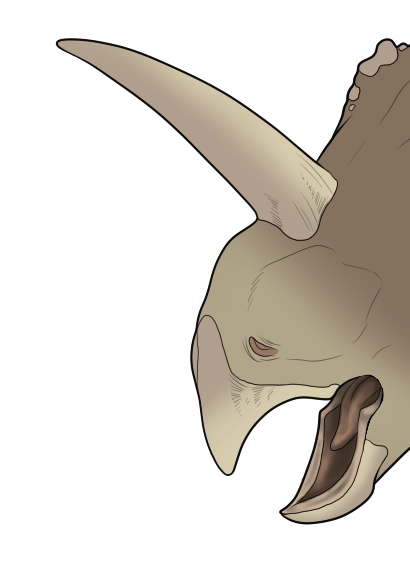
You cannot go against the grain of the keratin when forming a gradient, unless its following the edge of a gradient marking.
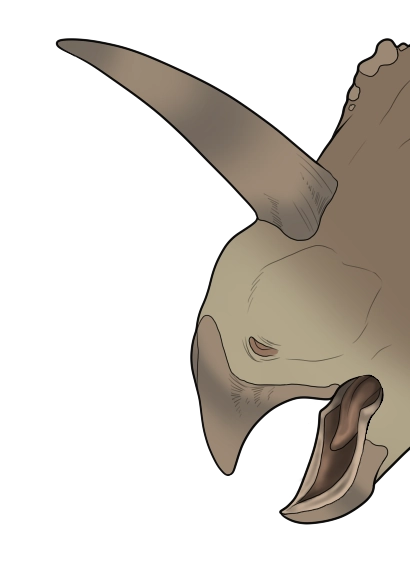
This example is incorrect because you cannot create any patterns with gradients, such as banding or striping.
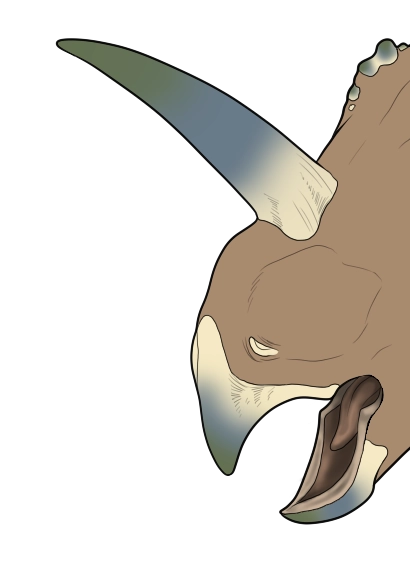
This example is incorrect because a gradient cannot have more than one color.
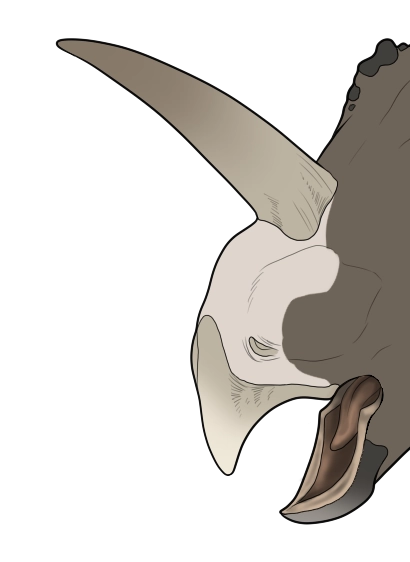
This example is incorrect because the white keratin has two different gradient colors.
Striping
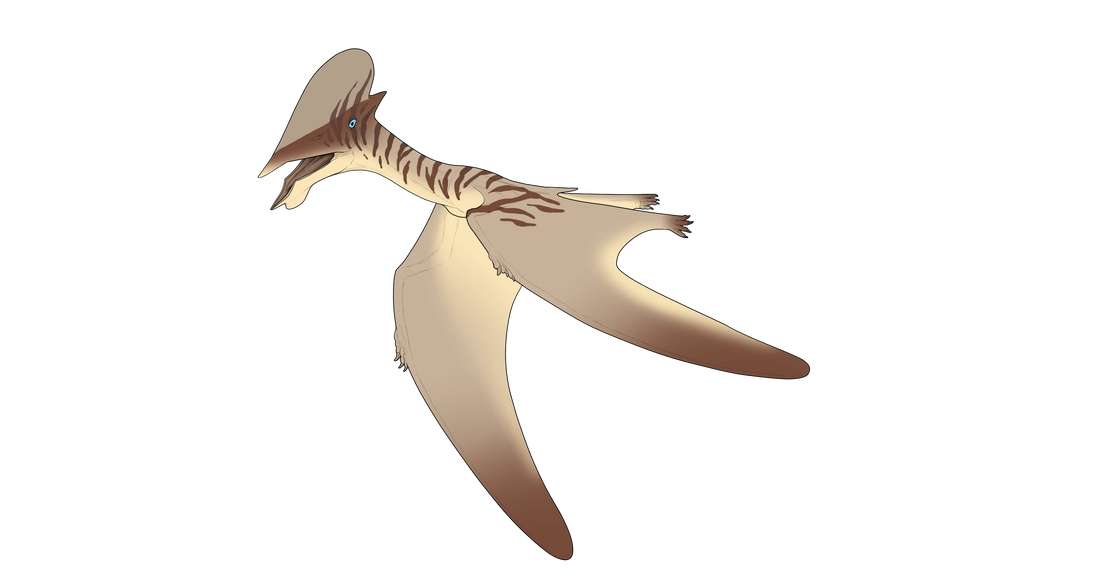
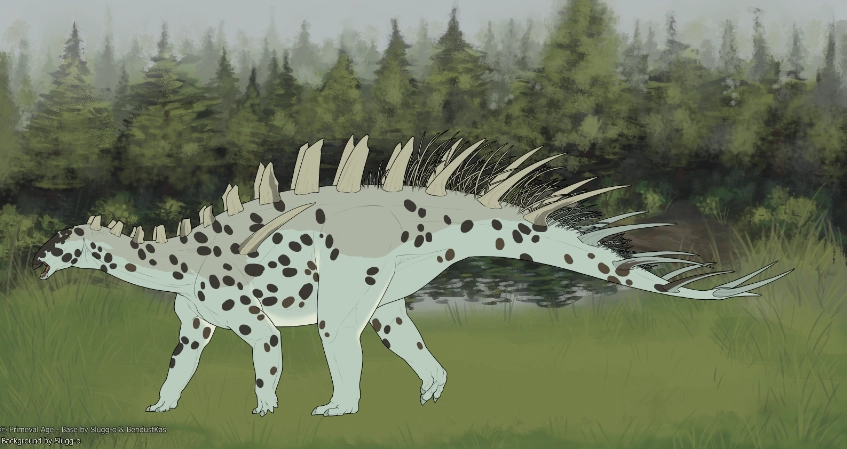
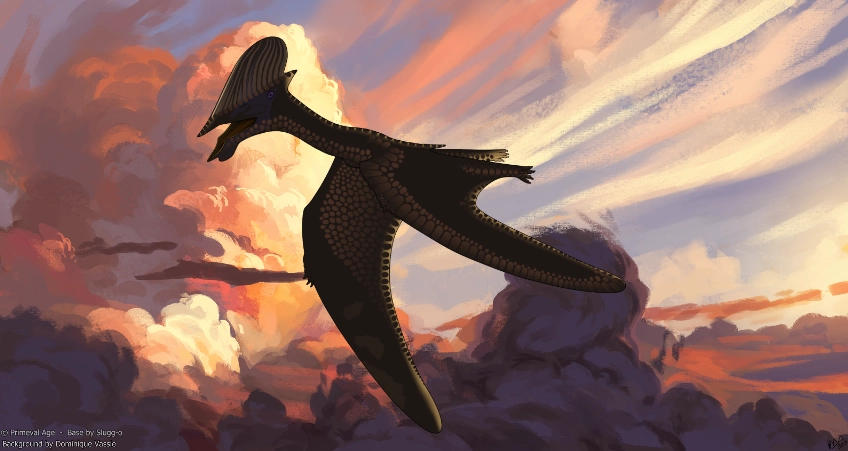
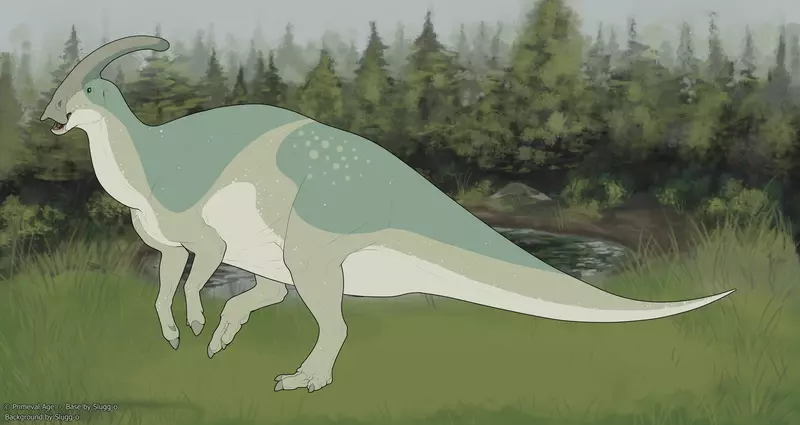
When a marking touches keratin, it may create striping! To create striping there must be a marking causing it.
Striping doesn't need to be consistently applied wherever a single marking touches keratin; striping could only affect one horn or claw, even if all other keratin is touched by the same marking. However, striping shouldn't fully fill in a keratin structure otherwise that would be a color change!
Striping must lighten the keratin color if the marking touching it is lighter than the keratin, and must darken the keratin color if the marking touching it is darker than the keratin.
Striping should follow the grain of the keratin, a nice modern reference for this would be appaloosa horse hooves! Keratin can present striping and a gradient at the same time, even on the same horn or claw, etc.
Correct examples
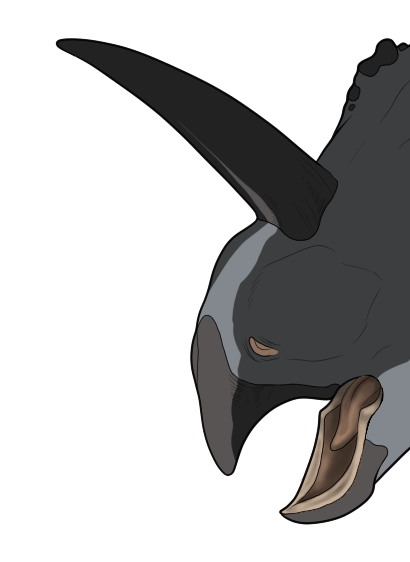
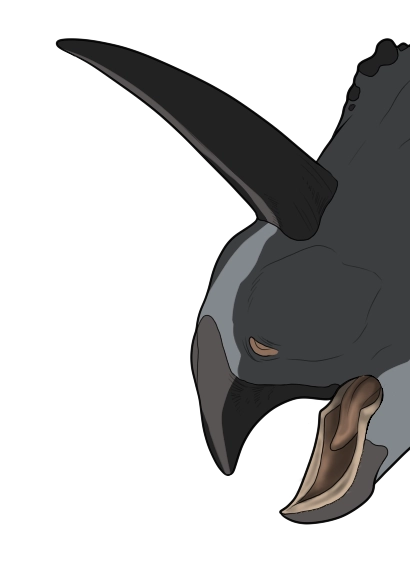
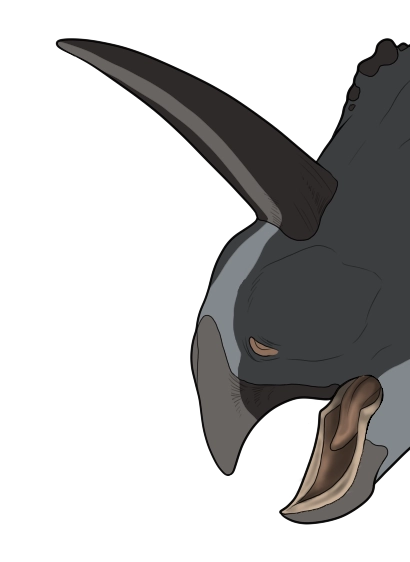
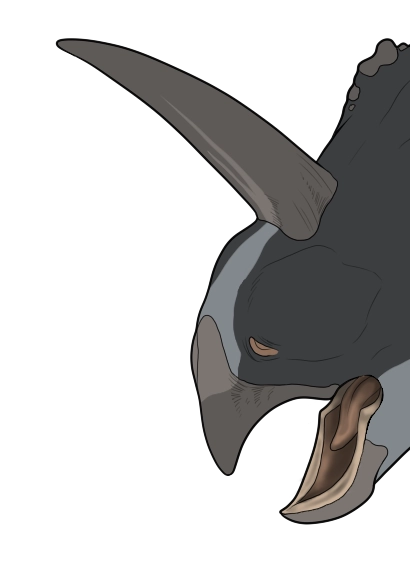
Incorrect examples
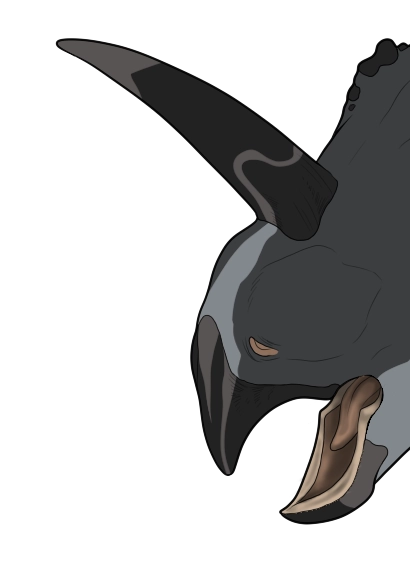
Stripes cannot go against the grain, nor can you 'tip' keratin. The base of a stripe must match the width of the marking causing it, which makes the beak incorrect.
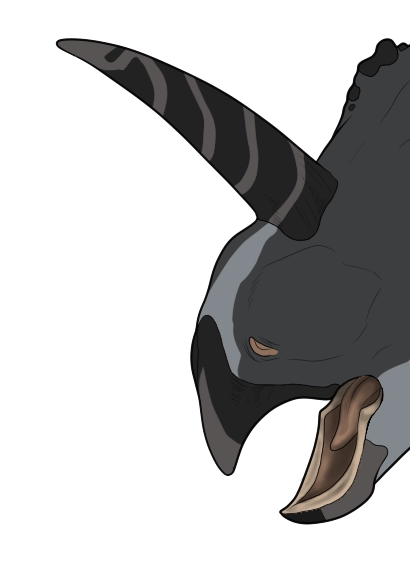
This example is incorrect because the striping is going against the grain. The striping is also forming an unnatural spiral shape and creating tips on the ends of the keratin!
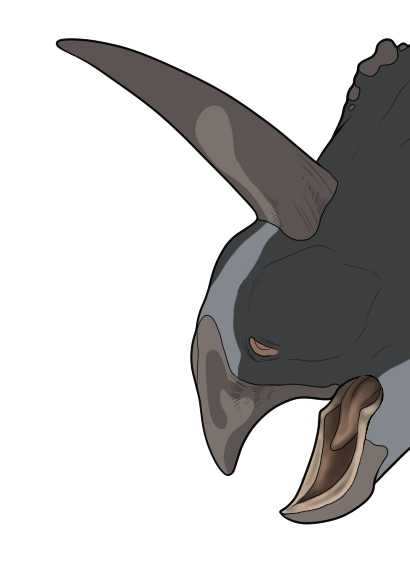
This example is incorrect as stripes cannot form shapes of any sort! They must remain the same width all the way through, or taper off into a smaller stripe.
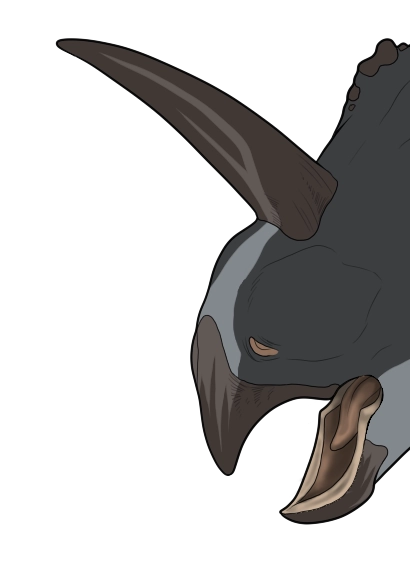
While stripes can split off, this horn is a borderline pattern, because it widens to split. The beak is incorrect as you cannot form multiple stripes from one affected area.
Additional examples
For keratin that has a different shape from the traditional "horn", the striping will follow the natural curves.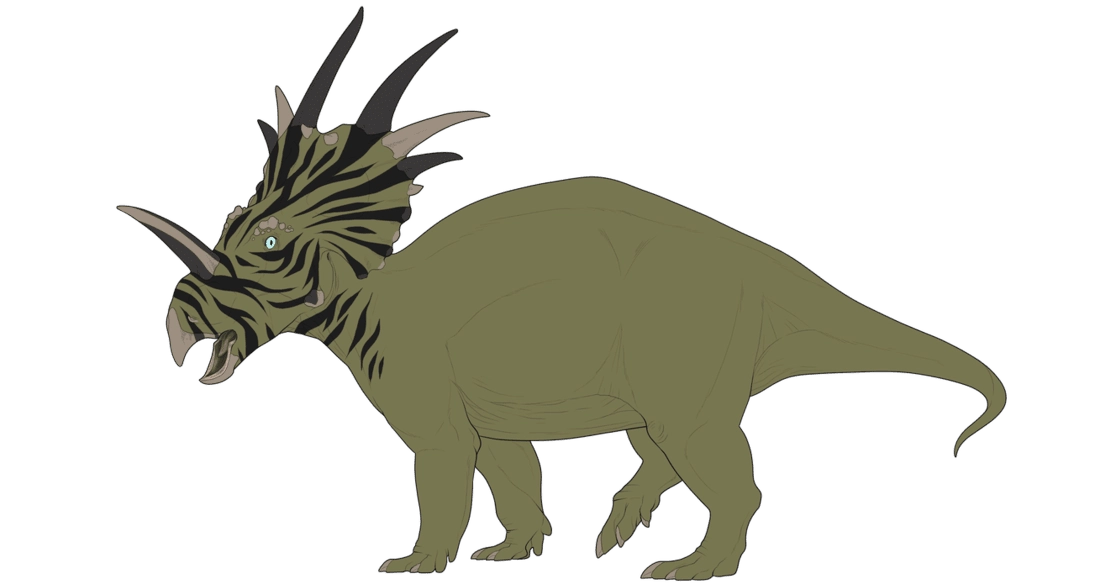
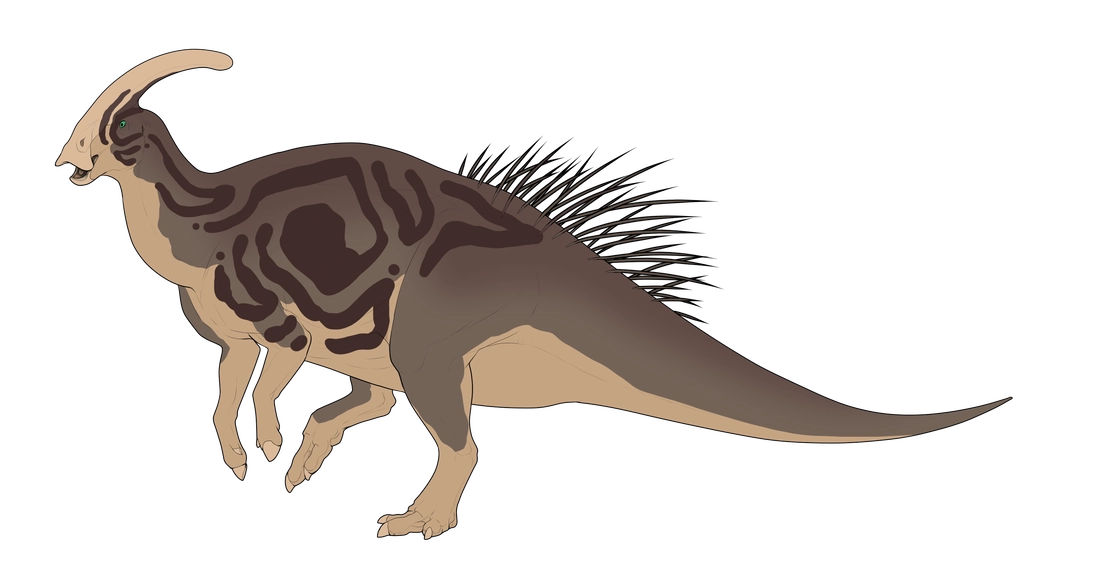
Dimorphics
Keratin is an allowed area for dimorphic markings
These are male markings inherited from the dinosaur's male ancestors and are specific to their lineage; they have their own separate guide here.
If the dimorphic marking is the keratin itself, you can ignore all color restrictions, as well as all gradient and striping rules. The dimorphic should still follow all dimorphic rules, however. If the dimorphic marking is not the keratin itself, but touches the keratin, you can create striping from the dimorphic marking following normal keratin rules. Striping caused by a saturated dimorphic marking would still be restricted to colors from the natural swatch.